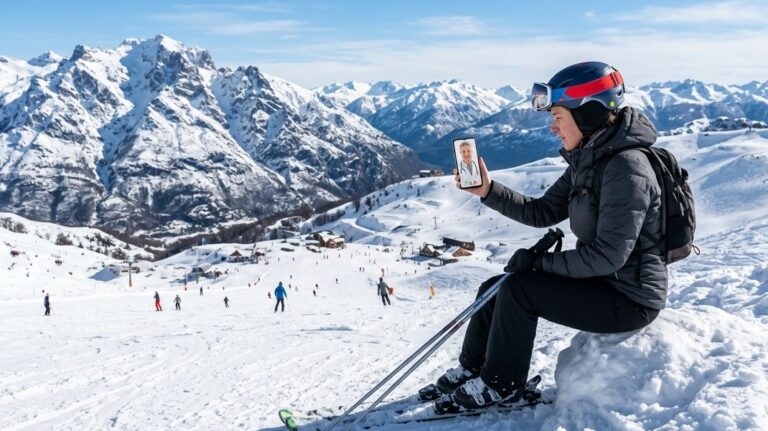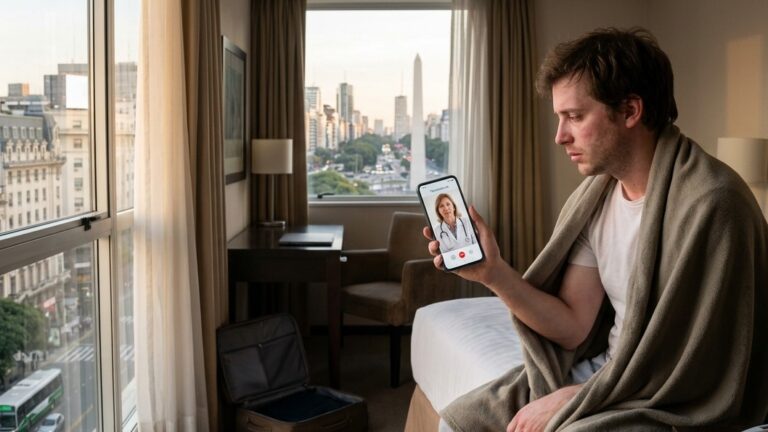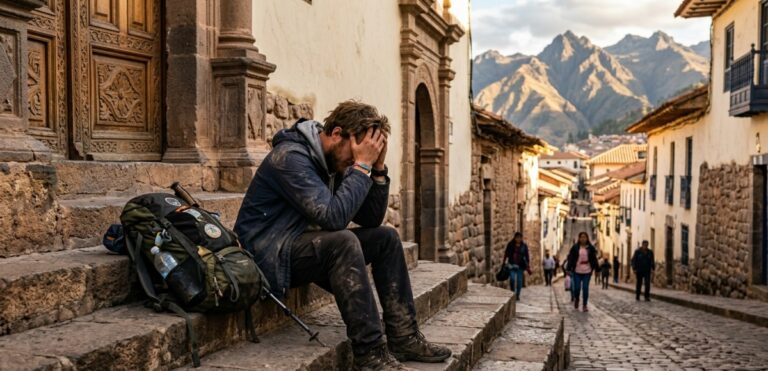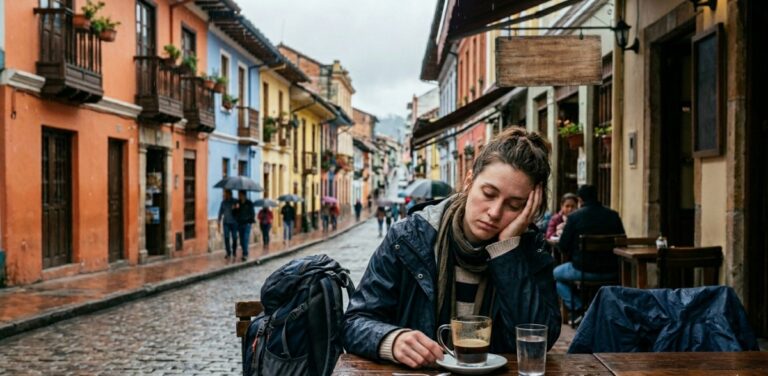
Altitude Sickness in Atacama: Online Doctor 24/7
Nearest hospital to San Pedro de Atacama: Hospital de Calama — approximately 100km away, 1.5 hours by road. There is no hospital in San Pedro de Atacama. The local Posta Rural handles basic first aid only. For any serious condition, evacuation to Calama or Antofagasta is required.
San Pedro de Atacama sits at 2,438 meters above sea level. That’s high enough to cause altitude sickness in a significant percentage of visitors — particularly those flying in from sea level without acclimatization time. But San Pedro itself is just the starting point. Most excursions take you considerably higher:
Going from your home city at sea level to the Geysers del Tatio at 4,321 meters — with departure at 4am, before your body has had any time to adjust — is one of the most challenging altitude transitions a traveler can make. Altitude sickness at the Atacama is common, manageable, and occasionally serious. Knowing what to do matters.
Learn more about medical care in the area at our online doctor in San Pedro de Atacama page.
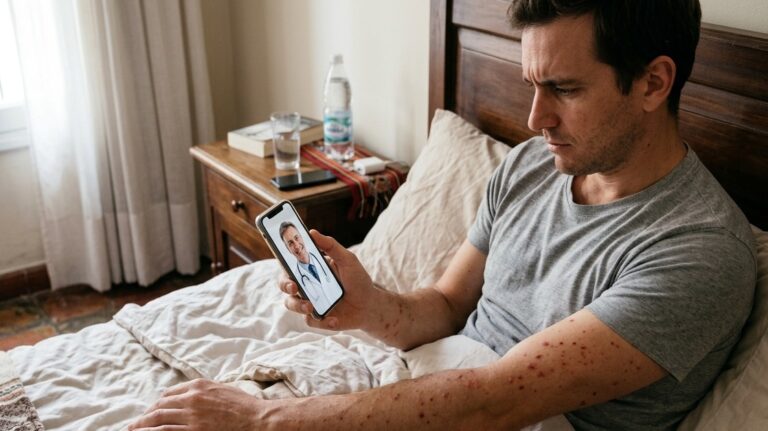
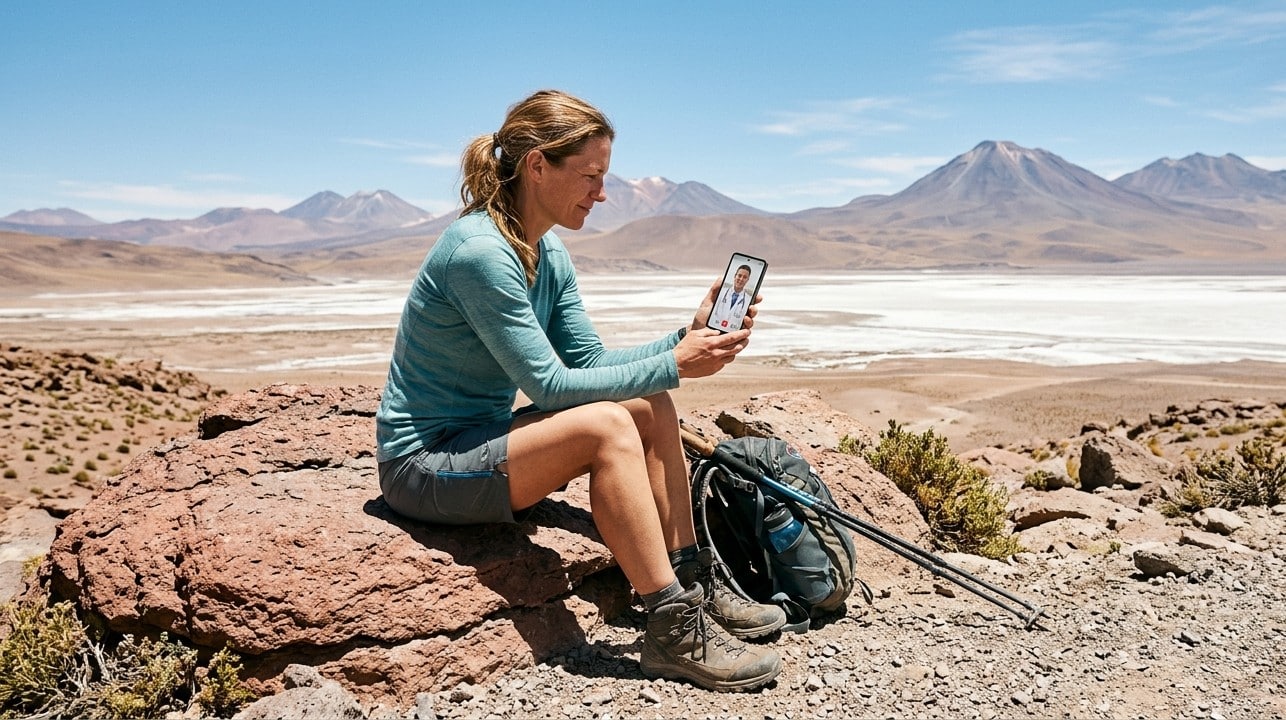
Feeling the altitude in Atacama? Talk to a doctor now.
Licensed doctor by video call · assessment and treatment guidance · available from any hotel with WiFi · 24/7 · €33.
CONSULT A DOCTOR — €33Understanding altitude sickness — what actually happens to your body
At high altitude, the air contains the same percentage of oxygen as at sea level — about 21% — but the lower atmospheric pressure means each breath delivers fewer oxygen molecules. At 4,300 meters (the altitude of Geysers del Tatio), the effective oxygen per breath is roughly 40% less than at sea level. Your body has to work significantly harder for the same result.
Acute Mountain Sickness (AMS) is the body’s response to this oxygen reduction. It’s not a sign of weakness, lack of fitness, or poor health — it happens to athletes and sedentary people alike. The main risk factor is the speed of ascent, not physical condition.
Symptoms of AMS at Atacama altitudes
Mild AMS (headache + one or two other symptoms, no shortness of breath at rest) is very common and manageable. The key rule: don’t go higher while you have symptoms. If symptoms don’t improve with rest and hydration in 24 hours, or if they worsen, something more serious may be developing.
Other health risks specific to the Atacama desert
Extreme UV radiation
The Atacama sits at high altitude with almost zero cloud cover and extremely dry air. UV index readings in the Atacama regularly exceed 15 — levels classified as “extreme” by the WHO. At the Geysers del Tatio at dawn, you may underestimate the sun exposure because temperatures are still freezing. Severe sunburn can develop in under 20 minutes of unprotected exposure at these altitudes. Bring high-SPF sunscreen (50+), UV-protective sunglasses, and a hat that covers your ears and neck.
Dehydration
The Atacama is the driest desert on Earth. Combined with altitude — which increases respiratory water loss — dehydration happens faster than most visitors expect. Alcohol, even in small amounts, significantly accelerates dehydration at altitude and worsens AMS symptoms. Aim for 3–4 liters of water per day from your first day in San Pedro. If your urine is dark yellow, you’re already behind on fluids.
Rapid temperature swings
Daytime temperatures in San Pedro can reach 30°C. The same day, after sunset, temperatures drop to near 0°C. At the Geysers del Tatio at 4am, it can be −10°C or colder. Layering is non-negotiable — hypothermia in the desert is a real risk that catches many visitors by surprise.
There is no hospital in San Pedro — what that means in practice
San Pedro de Atacama has a Posta Rural — a small rural health post with basic first aid capability. It is not equipped for altitude-related emergencies, serious trauma, or intravenous treatment. For anything beyond minor issues, the only option is evacuation to Hospital de Calama (100km, 1.5 hours by road) or, for critical cases, Antofagasta (300km, 2.5–3 hours).
This isn’t a reason not to visit — millions of people travel to the Atacama safely every year. But it does mean that getting medical guidance early, before a condition escalates, is more important here than in a city. A doctor who can evaluate your AMS symptoms remotely and advise whether you need to descend tonight or can rest and recover in the morning is genuinely useful — and potentially prevents an unnecessary 1.5-hour drive to Calama in the dark.
Is your altitude sickness mild or serious? A doctor can tell you.
Get a proper medical evaluation by video call from your hotel · avoid unnecessary evacuation · or get told clearly if you need to go · €33.
TALK TO A DOCTOR — €33What an online doctor can do from the Atacama
These are the specific situations where a remote medical consultation is genuinely useful in San Pedro de Atacama:
- AMS assessment: The doctor asks structured questions to determine the severity of your altitude sickness using established clinical criteria (Lake Louise Score). Based on your symptoms, they advise whether you can rest and recover at current altitude, need to postpone tomorrow’s high-altitude excursion, or should descend to a lower altitude tonight.
- Acetazolamide (Diamox) guidance: Acetazolamide is the most effective medication for both preventing and treating AMS. If you have it with you, the doctor can advise on dosing. If you don’t, they can explain where to look for it in Calama. The doctor also reviews contraindications — acetazolamide isn’t appropriate for everyone.
- Dehydration evaluation: If you have nausea and can’t keep fluids down, the doctor evaluates severity and advises on oral rehydration — or tells you clearly that IV fluids in Calama are needed.
- Sunburn treatment: For severe UV burns (blistering, extensive area), the doctor prescribes topical treatment or advises on what to purchase at the pharmacy in San Pedro town (there is a small pharmacy in San Pedro).
- Other travel illnesses: UTIs, respiratory infections, and digestive issues also occur at altitude and can be managed by prescription from a video call.
When to go to the hospital immediately — do not wait, do not consult online
These are signs of High Altitude Cerebral Edema (HACE) or High Altitude Pulmonary Edema (HAPE) — life-threatening conditions requiring immediate descent and evacuation to hospital:
• Loss of coordination (stumbling, can’t walk straight)
• Confusion, unusual behavior, difficulty speaking
• Severe, worsening headache that doesn’t respond to ibuprofen
• Shortness of breath at rest that is getting worse
• Coughing up pink or frothy mucus
• Lips or fingernails turning blue or grey
If any of these are present: begin descent immediately (even at night) and call for evacuation to Hospital de Calama. Every meter of descent toward Calama improves the situation. Do not wait until morning.
How to connect with a doctor from the Atacama desert
💬 Real case: A British couple arrived in San Pedro from Santiago and did the Geysers del Tatio excursion on their second day — departure at 4am, 4,321 meters. By 3pm back in San Pedro, one of them had a severe headache, was nauseous, and couldn’t eat. The other started a TravelDoctores consultation from their hotel room. The doctor assessed the symptoms as moderate AMS, advised staying at 2,438m rather than descending to Calama (which would mean abandoning the trip), prescribed ibuprofen for the headache and antiemetic for the nausea, and strongly recommended skipping the next day’s excursion. 36 hours later, fully recovered. They did the salt flats on day four.
The key call was whether to stay or descend. The doctor made that decision based on specific symptom severity — not guesswork.
Frequently asked questions — altitude sickness Atacama
Yes, acetazolamide taken prophylactically is effective at reducing AMS. The typical preventive dose is 125mg twice daily, starting 24 hours before ascent. It requires a prescription. A doctor can prescribe it during a TravelDoctores consultation before your trip or on the day you arrive. Contraindications include sulfonamide allergy, kidney disease, and pregnancy — the doctor reviews these before prescribing. Side effects include increased urination, tingling in hands and feet, and carbonated drinks tasting flat.
Most people adjust reasonably well to 2,438m within 24–48 hours if they rest, hydrate, and avoid alcohol. The standard advice is to spend the first day in San Pedro resting and doing nothing strenuous — no high-altitude excursions on day one. Schedule the Geysers del Tatio (4,321m) for day three or later. If you arrive with a headache on day one, that’s normal. If the headache persists into day two without improvement despite rest and hydration, consult a doctor.
No. Physical fitness has almost no protective effect against AMS. The determining factors are speed of ascent, individual genetic susceptibility, and whether you’ve had altitude sickness before. Elite athletes get severe AMS. Sedentary travelers sometimes feel nothing at 4,000m. The only reliable predictor is your personal altitude history: if you’ve had AMS before at similar altitudes, plan accordingly.
Yes. There is a small pharmacy in San Pedro town with basic medications — analgesics, antiemetics, oral rehydration salts, and some over-the-counter items. Stock is limited compared to a city pharmacy. For prescription medications like acetazolamide, antibiotics, or specific treatments, the nearest well-stocked pharmacy is in Calama (100km away). If you need a specific prescription medication, a TravelDoctores consultation can confirm what you need before you make the 1.5-hour drive.
Geysers del Tatio sits at 4,321m and is the highest common excursion from San Pedro — making it the most challenging in terms of altitude sickness risk. Laguna Miscanti (4,120m) and Laguna Cejar (2,350m, essentially the same as town) are two other popular options at notably different altitude levels. The salt flat (Salar de Atacama) is at roughly 2,300m — similar to San Pedro itself and not a significant altitude jump. The border crossing to Argentina via Paso de Jama reaches over 4,200m on the road.
Altitude sickness in Atacama? Get a medical assessment now.
Licensed doctor by video call · from your hotel in San Pedro · decides if you should stay or descend.
€33 · Available 24/7 · No hospital visit needed for moderate AMS.