
English Doctor
in Peru —
Online, Anytime
Looking for an English-speaking doctor in Peru without the wait? Connect by video call with a licensed physician, usually in about 15 minutes — from Lima to Cusco, the Inca Trail to Machu Picchu. No clinic, no queue, no language barrier.
- ✅ Available 24/7, including weekends and holidays
- ✅ Consultations in English and Spanish
- ✅ Prescription sent to your phone by WhatsApp or email
- ✅ No SIS, no local insurance needed
- ✅ Receipt and medical report for insurance claims, on request
At a glance · Updated November 2026
English speaking doctor in Peru: quick answer
Yes. If you need an English speaking doctor in Peru, TravelDoctores connects you by video call with a licensed GP, 24 hours a day, usually in about 15 minutes. The consultation costs a flat €33, is held in English (Spanish also available) and needs no SIS or local insurance. It works anywhere in Peru with an internet connection, from Lima to Cusco, the Sacred Valley and the northern beaches. At altitude, a physician can assess mild symptoms by video call, while severe ones need descent and in-person care. If the physician prescribes medication, the PDF is sent to you by WhatsApp or email right after the call. For emergencies, call 106 (SAMU) or go to the nearest hospital emergency room.
See all key facts ▾
| What it is | A video consultation with an independent, licensed GP (general practitioner), arranged through TravelDoctores |
|---|---|
| Price | €33 flat fee per consultation, paid by card. No subscription |
| Time to connect | Usually about 15 minutes after you submit the short form, sometimes longer at busy times |
| Availability | 24 hours a day, 7 days a week, including nights, weekends and public holidays |
| Languages | English, with Spanish also available |
| Where | Anywhere in Peru with an internet connection, including Lima, Cusco, Arequipa, Puno, Máncora and the Sacred Valley |
| What you need | A phone, tablet or laptop with internet and a passport or ID. No SIS or Peruvian insurance required |
| Prescription | If the physician prescribes medication, a PDF is sent to you by WhatsApp and/or email right after the call. Pharmacies decide whether they can dispense it |
| Insurance | Official receipt and medical report on request. Reimbursement depends on your insurer |
| Not for | Emergencies. Call 106 (SAMU ambulance) or go to the nearest hospital emergency room (emergencia). Severe altitude illness needs descent and in-person care |
| Run by | TravelDoctores, founded by Dr. Pablo J. Rossi, a licensed internist. Traveller reviews are on Trustpilot |
Where You Can Connect
English Doctor Near Me in Peru
Whether you’re arriving in Lima, trekking the Inca Trail from Cusco, or exploring the Sacred Valley — physicians are available through TravelDoctores wherever you are in Peru.
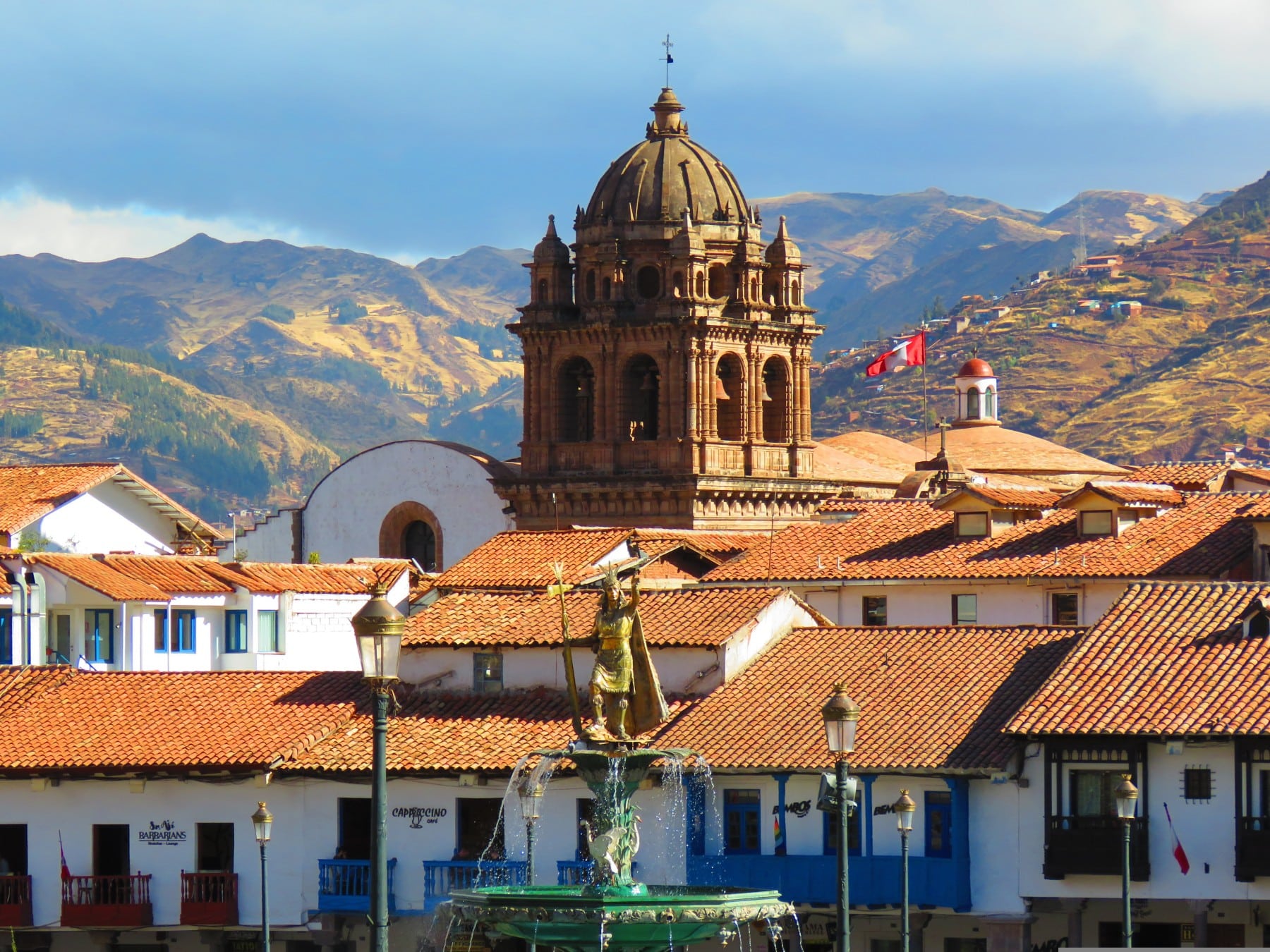
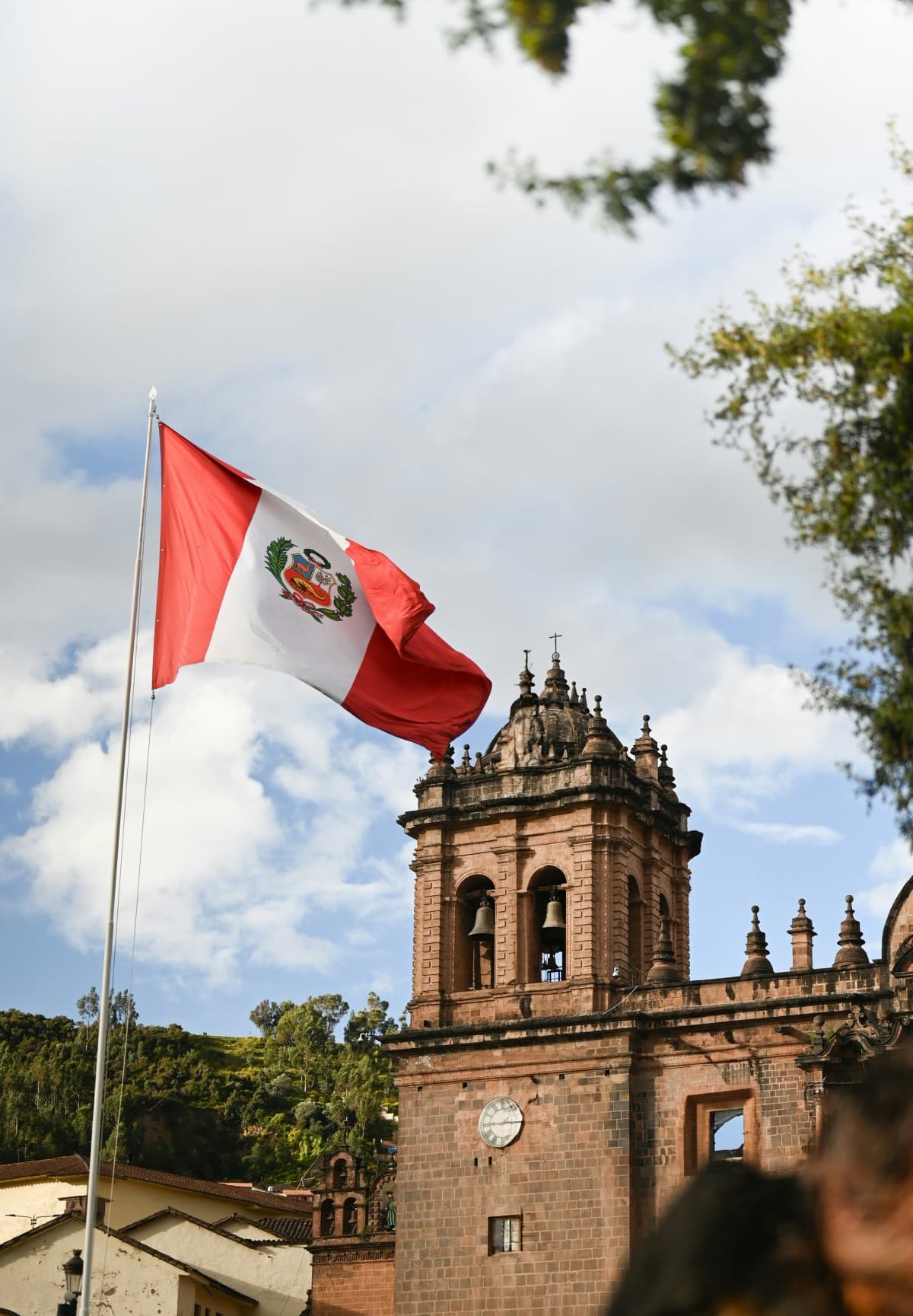
Cusco · 3,400m · Inca Trail Gateway
Cusco
Altitude symptoms (soroche) are common in the first 48 hours. English-speaking physicians by video call, 24/7 — pre-trek advice and altitude assessment, if appropriate. No SIS needed.
See Cusco →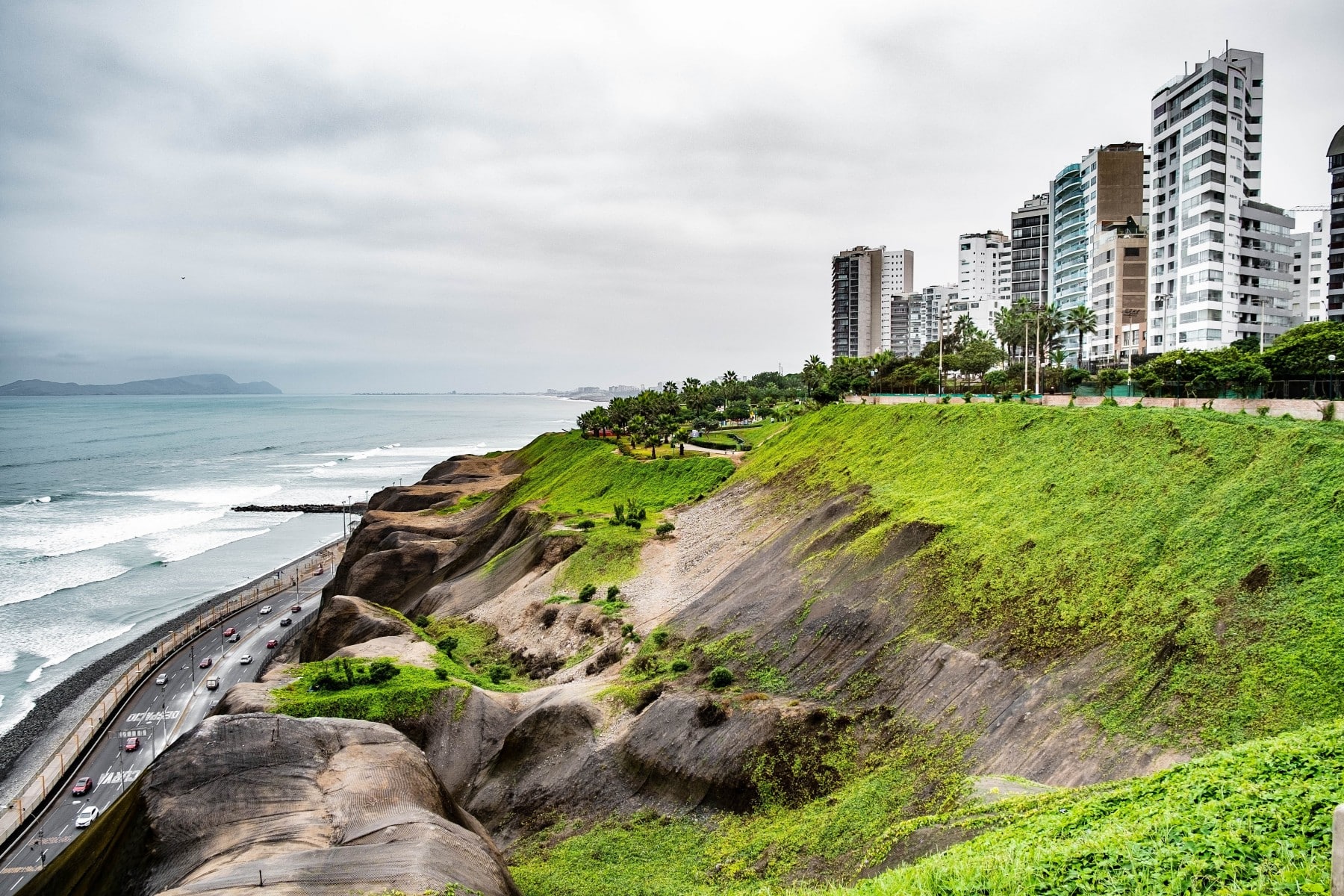
Lima · Sea Level · Expat & Nomad Hub
Lima
Peru’s culinary capital and expat hub. Traveller’s diarrhea, respiratory infections and ongoing care for digital nomads in Miraflores and Barranco. Licensed physicians by video call, usually in about 15 minutes.
See Lima →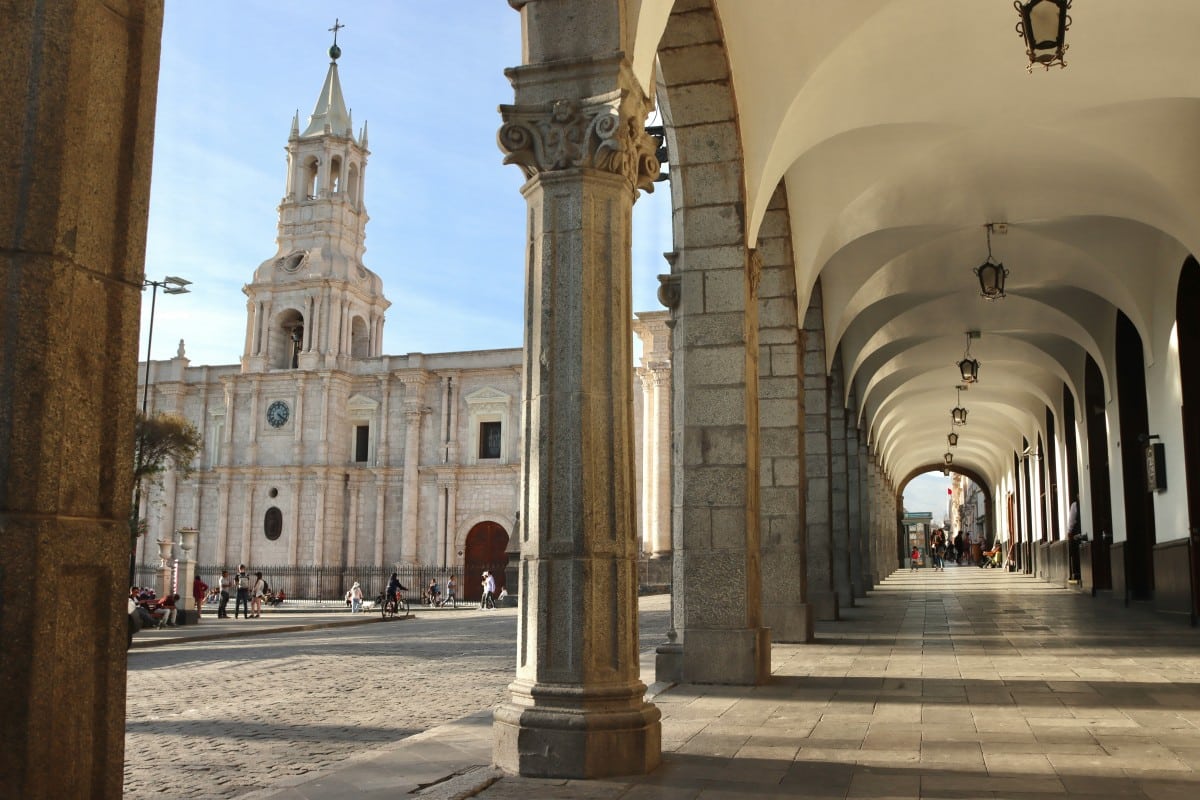
Arequipa · 2,335m · Colca Canyon Gateway
Arequipa
Peru’s “White City” and the gateway to Colca Canyon, one of the world’s deepest. Moderate altitude adjustment, trekking injuries and stomach bugs are common. English-speaking physicians by video call, 24/7.
See Arequipa →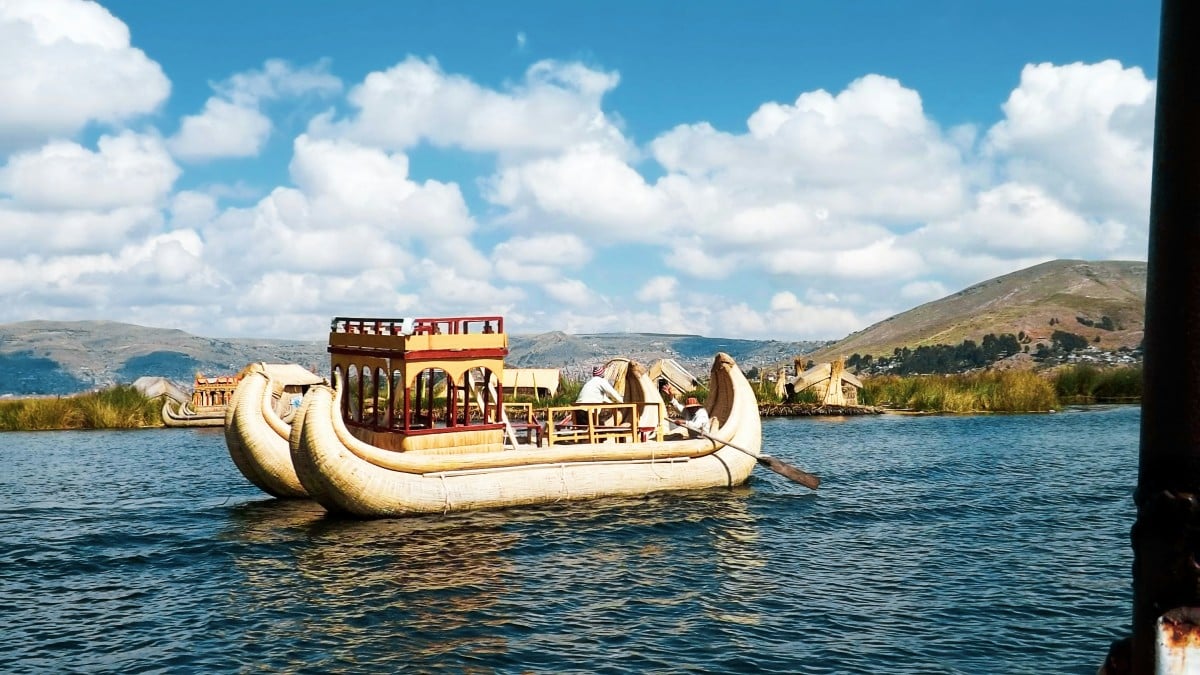
Puno · 3,830m · Lake Titicaca
Puno
One of the highest cities in Peru, at about 3,800 m on the shores of Lake Titicaca. It is higher than Cusco, so altitude symptoms can be more noticeable if you arrive quickly. English-speaking physicians by video call, 24/7.
See Puno →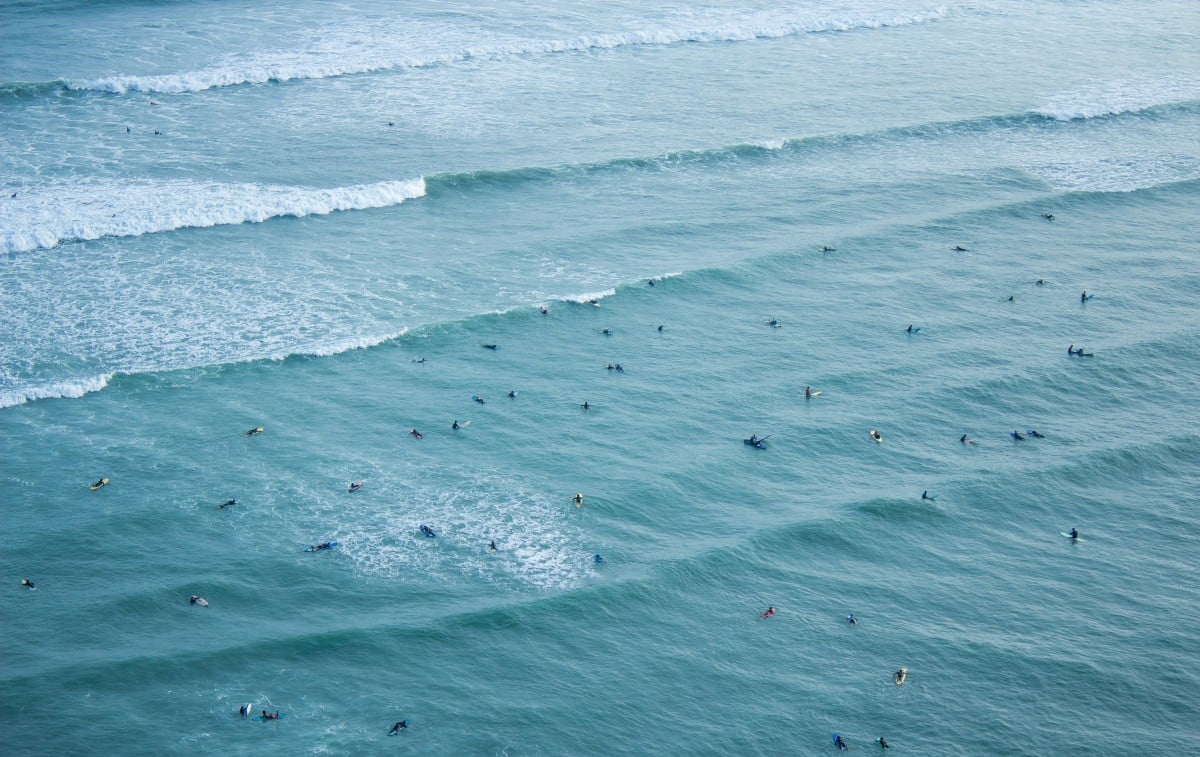
Máncora · Northern Coast · Beach Town
Máncora
Peru’s top beach and surf destination on the northern coast. Sunburn, jellyfish stings, and stomach bugs from street food are the most common issues. Licensed English-speaking physicians by video call, 24/7.
See Máncora →Travelling December to February
Peru in the Southern Summer
December to February is peak season in Peru, but also the rainy season in the Andes. These are the situations where travellers most often need quick medical advice.
Cusco, rain and the Inca Trail
Wetter, colder days and occasional landslides or transport disruptions around Machu Picchu. The Inca Trail usually closes in February for maintenance, so check with your operator. Altitude symptoms can happen any month. See Cusco.
Lima and the coast in summer
Warm, humid and sunny, with strong UV. Sunburn, dehydration and stomach upsets from street food or raw seafood are common. Drink bottled or purified water. See Lima.
North coast and jungle
Beach season in Máncora, and the Amazon is in its wet season. Mosquito-borne illness such as dengue has been reported in these areas in recent summers, so use repellent at dawn and dusk and check vaccine advice with a travel clinic before your trip.
Christmas and New Year hours
Clinics and shops may close or reduce hours around 24–25 December and 31 December–1 January. Video consultations keep running 24/7, and some pharmacies stay open late or 24 hours.
Simple Process
How It Works
Three steps. No app downloads. No waiting rooms. Just quick, private video consultations from your phone or laptop — anywhere in Peru.
Submit Your Request
Fill out a short form describing your symptoms or concern. No registration or insurance details required.
Pay Securely — 33 EUR
You’ll receive a secure payment link by email. Pay by credit or debit card. You’ll usually be connected within about 15 minutes.
Speak with a Doctor
Connect with a licensed, English-speaking GP via video call. If appropriate, the physician can issue a prescription, a medical report or a recommendation to seek in-person care.

Common Conditions
Conditions You Can Consult Online
Physicians available through TravelDoctores can assess a wide range of common travel-related and general health concerns in Peru, from altitude symptoms and trekking injuries to prescription refills. Whether treatment or a prescription is appropriate is the physician’s decision.
- Mild altitude symptoms (soroche)
- Advice on acetazolamide (Diamox)
- Traveler’s diarrhea
- Food poisoning
- UTI (urinary tract infection)
- Ear infection (otitis)
- Sore throat / strep
- Sinus infection
- Pink eye (conjunctivitis)
- Yeast infections
- STI consultations
- Prescription refills
- Trekking injuries & muscle pain
- Skin infections & rashes
- Respiratory infections
- Sunburn at altitude
- Review of regular medication
- Hypothyroidism
Altitude in Peru: Cusco (about 3,400 m), Rainbow Mountain (over 5,000 m) and the Inca Trail (4,215 m at its highest point) are demanding destinations. A physician can discuss by video call whether preventive acetazolamide (Diamox) is suitable for you. Severe symptoms need descent and in-person care.
Prescriptions
Prescriptions Sent to Your Phone
If the physician decides to prescribe medication, the prescription is sent to you as a PDF by WhatsApp and/or email right after the call. No paper copy needed; show your phone screen at the pharmacy counter.
Common pharmacy chains in Peru:
Also available on request:
-
📄Receipt and medical report for travel insurance claims. Reimbursement depends on your insurer.
-
🔁Prescription refills review for regular medication, if the physician considers it clinically appropriate.
-
🏥Advice on in-person care if the physician considers you should be seen at a clinic or hospital.
Patient Reviews
What Travelers Are Saying
See all reviews on Trustpilot →
Excellent service. It was so easy and quick to make the appointment, to have my consultation, and to receive my prescription. The doctor was very competent and friendly. I have already recommended the service to my friends and will use this service again in the future.
It was Sunday morning and the team still reached out to coordinate a quick online appointment. I picked everything up the same day at a pharmacy. I’d recommend this to anyone traveling in Latin America.
Super easy, fast and efficient. I just forgot my meds at home and they sent new prescriptions that I easily filled the same day. Really saved my trip!
Limitations
What Online Care Can’t Handle
For certain emergencies, in-person care is essential. Please call 106 or go directly to a hospital emergency room (emergencia) if you experience:
- Severe altitude symptoms — confusion or inability to walk (descend immediately)
- Major trauma or uncontrolled bleeding
- Chest pain or severe shortness of breath
- Signs of stroke (sudden numbness, speech difficulty)
- High fever in small children
- Severe allergic reaction
- Conditions requiring immediate hospitalization
📞 Emergency Numbers in Peru
- Ambulance (SAMU) Call 106
- Police (PNP) Call 105
- Fire Department (Bomberos) Call 116
- Hospital Regional Cusco Public hospital
- Clínica Ricardo Palma, Lima Private clinic
Questions
Frequently Asked Questions
Yes. Fill out the short form at TravelDoctores, pay €33 by card and join a video call with a licensed GP, usually in about 15 minutes. It is available 24/7 in English and Spanish for tourists, expats and digital nomads anywhere in Peru with an internet connection.
A physician can review your health history and any medication you take, and decide whether preventive acetazolamide (Diamox) is suitable, for example before a high-altitude trek. It is not right for everyone, and whether to prescribe it is the physician’s decision. If prescribed, the PDF is sent to you by WhatsApp and/or email right after the call.
No. You pay €33 by card, with no SIS or local insurance required. A receipt and medical report for your travel insurer can be requested after the consultation; acceptance depends on your insurer.
If the physician prescribes medication, the prescription is sent to you as a PDF by WhatsApp and/or email right after the consultation. There is nothing to print: you show it on your phone at a farmacia, with your passport or ID if asked. Pharmacies decide whether they can dispense it.
Antibiotics are prescription medicines in Peru, and whether you need one is a clinical decision, because many infections, including most stomach bugs, do not need antibiotics. A physician can assess your symptoms by video call and, if appropriate, issue a prescription. Pharmacies decide whether they can dispense it.
Yes. It is a video call, so you can connect from Arequipa, Puno, the Sacred Valley, the northern beaches or the Amazon, as long as you have a stable internet connection. Signal can be weak or absent on the Inca Trail and in remote areas, so check coverage before you set out.
A physician can assess mild symptoms such as headache, nausea, dizziness, fatigue or poor sleep by video call, and advise on rest, fluids, pacing and whether medication is appropriate. Do not go higher while you have symptoms. Severe symptoms (confusion, loss of coordination or inability to walk straight, breathlessness at rest, or a persistent cough with frothy or bloody sputum) need descent and in-person care: call 106 or ask your hotel or tour operator for help.
Consultations are held in English, with Spanish also available. Tell us your preferred language in the short form.
A consultation costs a flat €33, paid by card. It includes the video call with a licensed GP. If the physician prescribes medication, the prescription is sent to you by WhatsApp and/or email at no extra charge. No insurance is required.
You can request a medical report and an official receipt to submit with your claim. Whether your insurer reimburses it depends on your policy, so check the terms or call its assistance line first.
Call 106 for SAMU (ambulance), 105 for the police or 116 for the fire brigade, or go straight to the nearest hospital emergency room (emergencia). Online care is not for emergencies. Go immediately for severe chest pain, trouble breathing, heavy bleeding, signs of a stroke, a major injury, a severe allergic reaction or severe altitude symptoms.
From December to March it is the rainy season in the Andes: more rain, cooler nights and the occasional landslide or transport disruption around Cusco and Machu Picchu. The Inca Trail usually closes in February for maintenance, so check with your operator. On the coast, summer is hot, humid and sunny with strong UV, and mosquito-borne illness such as dengue has been reported in the north and the jungle in recent summers. Use repellent at dawn and dusk, drink plenty of water, protect yourself from the sun and consult a doctor if you develop high fever or symptoms that persist.
Video consultations run 24/7, including 24–25 and 31 December and 1 January, usually connecting in about 15 minutes, although it can take longer at very busy times. Clinics and shops may reduce hours on those dates, and some pharmacies stay open late or 24 hours.
Ready to See a Doctor in Peru — Right Now?
Connect with a licensed, English-speaking physician, usually in about 15 minutes.
No SIS, no waiting rooms. EUR 33.
Global Coverage