
Medical Certificate for Spain Visa: Consulate Guide
If you are applying for a Spanish visa for more than 90 days, your consulate will probably ask for a medical certificate, and what exactly it must say depends on the consulate. Most want a short statement from a doctor that you do not suffer from diseases with serious public health repercussions under the International Health Regulations of 2005. Some add conditions about who can sign it, an apostille or a translation. This guide explains what is usually requested, what changes from one consulate to another and how to get the certificate by video consultation.
The short version: check your consulate’s checklist first, then order a certificate that matches it. Our visa certificate costs EUR 55 and is normally sent within 24 hours after a video consultation. Patients have reported acceptance at Spanish consulates in London, New York, Florida and Los Angeles, and at Venezuelan consulates in Spain, but we cannot guarantee acceptance anywhere, because each consulate sets its own rules.
Which Spanish visas need a medical certificate?
Spain asks for a medical certificate when you apply for a stay longer than 90 days. That includes the non-lucrative visa, the digital nomad visa, student visas, work visas and family reunification, among others. A short tourist trip does not need one. The requirement is set in the checklist of each visa type and applied by the consulate that handles your application, so the same visa can have slightly different instructions depending on where you apply. If you are planning the digital nomad route, you can also read our guide on the medical certificate for the Spanish digital nomad visa.
What does the certificate have to say?
In most cases it is a short document, signed by a doctor, with your full name and passport number, the date, and a statement along these lines:
The doctor’s name, licence number and signature should also appear. Some consulates ask for the exact Spanish wording or for a specific paragraph, and a few want the doctor’s details in a particular form, so the safest thing is to compare your checklist with the certificate before you submit it. Anything extra, like vaccination records or lifestyle information, is usually not needed unless your checklist says so.
Do all consulates ask for the same thing?
No. The differences are small but they are the reason applications get returned. The table below shows the points that change most often, with two examples we have seen published by consulates. Requirements get updated, so treat them as examples and confirm with your own consulate.
| What to check | Why it matters | Example |
|---|---|---|
| Who can sign | Some consulates accept any licensed doctor, others want a doctor practising in the country where you apply. | The Spanish consulate in Montreal asks for a doctor practising in Canada. |
| Exact wording | Some require a specific paragraph referring to the International Health Regulations of 2005. | Montreal asks for an exact paragraph. |
| Apostille | Required by some consulates and not by others. | Riyadh asks for an apostille. |
| Sworn translation | Documents may need translating into Spanish by a sworn translator. | Riyadh asks for a sworn translation. |
| Validity | Often within 90 days of the application, but not always. | Check the date rule on your checklist. |
Which consulates have accepted TravelDoctores certificates?
Patients have told us that their certificate was accepted at Spanish consulates in London and New York, in Florida and Los Angeles, and at the Venezuelan consulates in Spain, and we have not received complaints after those applications. That is useful information, but it is not a guarantee. Consulates change criteria, and an officer can ask for something different from what a checklist says. If your consulate has an unusual requirement, tell us before you order and we will tell you honestly whether we can meet it.
Can I get the certificate by video consultation?
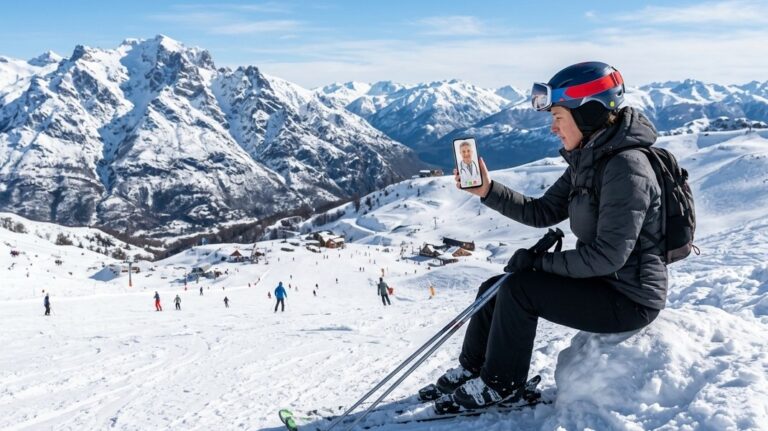
Yes, if your consulate accepts a certificate issued remotely. At TravelDoctores you request the consultation online, a licensed doctor evaluates you by video call and, when appropriate, issues the certificate. It is available in English and Spanish and costs EUR 55. If you want to start, the Spanish visa medical certificate page has the form and the details. If your consulate rejects the document because of its wording or format, write to us with the reason and we will review it.
One honest warning: if your checklist says the doctor must practise in your country of residence, or asks for an apostille and a sworn translation, a certificate from us may not be enough on its own. We would rather you know before paying than after your appointment at the consulate.
What should I do before I order it?
Open the checklist of your consulate and look for four things: who may sign, the exact wording, whether an apostille or translation is needed and how recent the document must be. Then tell us which consulate you are applying to when you request the consultation, so the certificate is prepared for it. We now operate in 13 countries, so if you are already living in Mexico, the Dominican Republic, Colombia, Peru, Chile, Argentina or Brazil, the consultation can be done from where you are.
Applying for a Spanish visa?
Tell us which consulate you are applying to and we will confirm whether our certificate fits its checklist.
Dr. RossiPhysician and founder, TravelDoctores · Colegiado nº 080851873
Frequently asked questions
It depends on the visa. Spain asks for a medical certificate for stays longer than 90 days, such as the non-lucrative visa, student visa, digital nomad visa, work visas and family reunification. Short tourist stays do not need one. Always check the checklist of the specific consulate that will process your application.
Most consulates ask for a statement from a doctor that you do not suffer from any of the diseases that may have serious public health repercussions according to the International Health Regulations of 2005, together with your full name, passport number, the doctor’s name and licence number, the date and a signature. Some consulates add their own requirements, so read your checklist.
Many applicants do, and it is the route we offer: a licensed doctor evaluates you by video call and issues the certificate. Whether your consulate accepts it can depend on the consulate, so check their requirements first. Some require that the doctor practices in the country where you apply.
Some consulates ask for an apostille, a sworn translation or both, and others do not. This is decided by the consulate, not by the doctor, so look at your checklist before you order. Spanish consulates normally accept documents in Spanish or English, but confirm this too.
There is no single rule. Many consulates want the certificate issued within the last 90 days before the application, but some ask for a shorter period. Do not request it too early.
Patients have told us their certificate was accepted at Spanish consulates in London and New York, in Florida and Los Angeles, and at the Venezuelan consulates in Spain, and we have not received complaints afterwards. We do not guarantee acceptance, because each consulate sets its own rules. Check yours before you order.
The visa medical certificate costs EUR 55. After the video consultation, the certificate is normally sent to you within 24 hours.
Write to us with the reason given by the consulate. If the problem is the wording or the format, we will review and reissue the document.
Spanish visa medical certificate, by video
EUR 55 · English and Spanish · Normally sent within 24 hours