
English-Speaking Doctor in Puno, Peru —
Online Medical Care at 3,827 Meters Above Sea Level
Talk to an English Doctor in Puno — Online in Minutes
Consultation fee: EUR 33 – Pay securely with no hidden costs.
Need an English-speaking doctor in Puno, Peru? At 3,827 meters above sea level, Puno is one of the highest cities regularly visited by international tourists in the world. Virtually every traveler arriving from sea level experiences some degree of altitude sickness (soroche) — headache, fatigue, breathlessness, nausea, and poor sleep are nearly universal.
TravelDoctores connects you with a licensed GP in minutes via video call, with English-language care and same-day prescriptions — including acetazolamide (Diamox) for altitude sickness, without needing to leave your hotel.
✅ Altitude sickness assessment + acetazolamide (Diamox) prescription
✅ Digital prescriptions valid at Inkafarma, Mifarma & farmacias in Puno
✅ Video consultations in English — usually within 15 minutes
✅ Medical certificates for travel insurance claims
English Speaking Doctor in Puno —
When Every Breath Feels Like an Effort
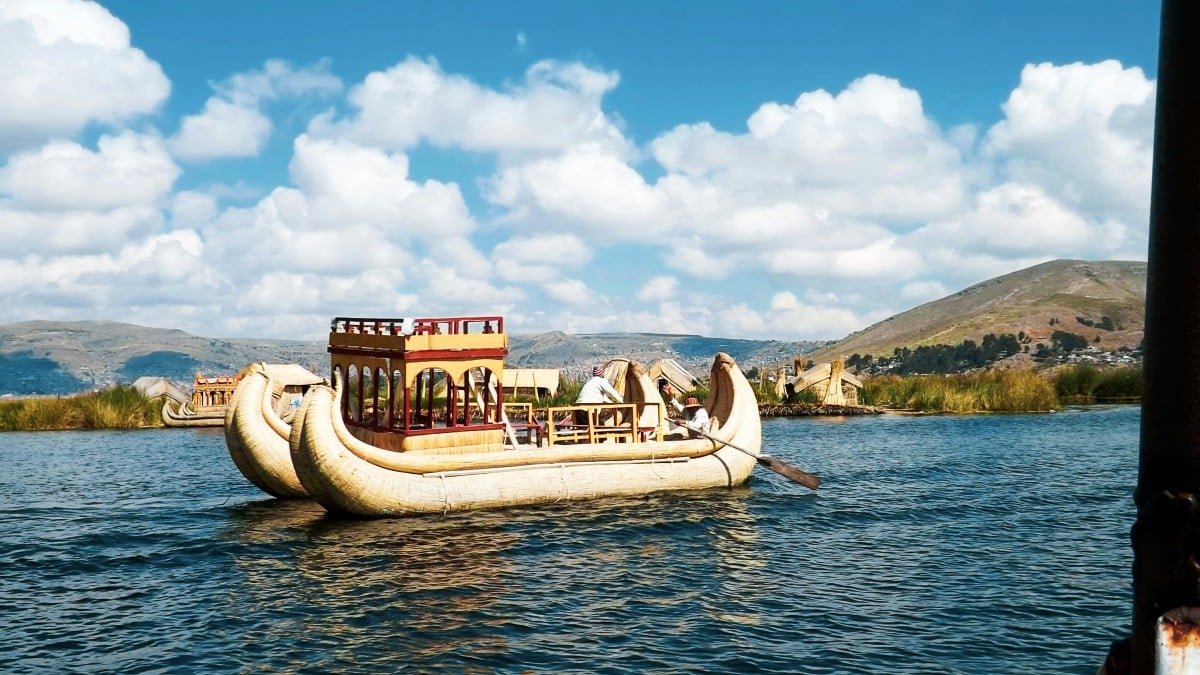
Puno is the gateway to Lake Titicaca, the world’s highest navigable lake — and one of the most remarkable destinations on the Peru circuit. It is also, at 3,827m, the highest major city that standard tour itineraries take international travelers to. Unlike Arequipa (2,335m) or even Cusco (3,400m), virtually everyone feels the altitude in Puno. The question is how severely.
English-speaking doctors in Puno’s physical clinics are essentially non-existent. TravelDoctores gives you direct access to a licensed, English-language GP within minutes — from your hotel room, the lake shore, or anywhere on the island tours. We serve:
- ✓Fast access to a licensed GP via secure video call — usually within 15 minutes
- ✓Bilingual consultations in English and Spanish
- ✓Travelers arriving from Lima or lower altitudes facing significant altitude sickness risk
- ✓Visitors coming from Cusco (3,400m) who are still adjusting to altitude
- ✓Tourists on Lake Titicaca boat tours to Uros, Taquile, and Amantaní islands
- ✓Travelers who need care without Peruvian SIS or local health insurance
- ✓Digital prescriptions valid at farmacias and boticas across Puno
- ✓Medical certificates for travel insurance reimbursement
Our service is ideal for travelers searching for: English-speaking doctor Puno Peru, doctor in Puno Lake Titicaca, telemedicine Peru altitude sickness, or Diamox prescription online in Peru.

Who We Are – TravelDoctores
TravelDoctores is a telemedicine platform built for international travelers who need fast, affordable, multilingual medical attention — without paperwork or local insurance. Our network of licensed physicians provides round-the-clock English-language consultations across Peru, Latin America, and Spain.
Whether you’re battling altitude symptoms from your hotel in Puno, feeling unwell on a boat to the Uros floating islands, or hiking the steep paths of Taquile Island at nearly 3,950m, our doctors are available immediately — without you having to find a clinic or navigate local bureaucracy in Spanish.
Also available in these destinations:
What People Say
“Arrived in Puno from Cusco and by evening I had a splitting headache, nausea and couldn’t sleep. TravelDoctores connected me to a doctor in about 8 minutes. She assessed my symptoms, prescribed Diamox, and explained exactly what to do. Felt significantly better by morning and made my Uros tour.”
— Anna R., traveler on the Peru–Bolivia circuit
“I consulted TravelDoctores before flying from Lima to Cusco and then taking the train to Puno. The doctor recommended I start Diamox before the trip and gave me clear advice on what to expect. Hands down the best decision I made — no headache, no nausea, fully enjoyed Titicaca.”
— Michael T., backpacker in Peru
Conditions We Treat Online — Altitude Sickness, Infections & More
At 3,827m, altitude sickness is the dominant health concern in Puno — but our doctors also handle the full range of travel-related medical issues. From gastrointestinal infections and respiratory illness to UTIs, skin conditions, and prescription refills, we cover all non-emergency conditions via video call.
All consultations are conducted by experienced licensed physicians who understand the specific physiology and risks of high-altitude travel in Peru.
All consultations are handled by experienced medical professionals. View the full list of conditions we treat →
How Prescriptions Work in Puno
Puno city has farmacias and boticas, including branches of Inkafarma and Mifarma, Peru’s two largest pharmacy chains. Your digital prescription arrives as a PDF via WhatsApp or email — show it on your phone screen at any farmacia counter, no printing required.
A licensed doctor evaluates your altitude symptoms, digestive issues, or any other concern in English — usually within 15 minutes of your request.
Sent via WhatsApp or email within minutes of the consultation, with the doctor’s full Peruvian medical credentials and registration details.
No printing needed. Show your phone screen at Inkafarma, Mifarma, or a local botica. Bring your passport as identification.
Available at farmacias and boticas in Puno:
You do not need Peruvian SIS or any local health card to purchase prescription medication as a tourist. Bring your passport and show your digital prescription PDF at the counter.

Essential Tips for Travelers in Puno
At 3,827m, Puno demands respect. These are the health habits that separate tourists who struggle from those who thrive at the lake.
Acclimatize before arriving if you can
The ideal route to Puno is via Cusco (3,400m) — spend at least 2 nights there before taking the Andean Explorer train or bus to Puno. Arriving in Puno directly from Lima, with no altitude acclimatization, is one of the highest-risk itinerary choices in Peru. If that’s unavoidable, start Diamox before you go.
Rest completely on day one
Do not try to sightsee on your first afternoon in Puno. Check in, rest horizontally, drink water, skip alcohol, and eat a light meal. Your body needs at least 12–24 hours to begin adjusting to 3,827m. Most altitude headaches peak 6–12 hours after arrival and improve with rest and hydration.
Drink 3+ liters of water daily
Dehydration dramatically worsens altitude sickness. The cold, dry air of the altiplano causes rapid fluid loss through respiration — you lose more water with every breath than you would at sea level. Drink bottled water continuously, avoid caffeine and alcohol, and take rehydration salts if diarrhea develops.
Lake Titicaca tours: prepare for extra exertion
Boat trips to Uros, Taquile, and Amantaní feel gentle but are not. Taquile Island has steep uphill paths at nearly 3,950m — hikers who are not well-acclimatized regularly experience severe breathlessness. Carry water, walk slowly, and do not be embarrassed to stop frequently. Symptoms that worsen during activity need medical attention.
Extreme cold — especially at night
Puno’s altitude means temperatures drop sharply after sunset, sometimes to -5°C or below in the dry season (May–September). Overnight stays on Amantaní Island can be very cold. Pack thermal underlayers, a quality sleeping bag if camping, and extra socks. Hypothermia is a real risk for underprepared travelers.
Periodic breathing at night — don’t panic
Many travelers at 3,827m experience Cheyne-Stokes breathing while asleep — a pattern of deep breaths followed by brief pauses in breathing that can cause waking in panic, gasping, or the sensation of suffocating. This is a normal physiological response to altitude, not a medical emergency. If you are unsure, consult a TravelDoctores doctor for reassurance.
What We Don’t Treat Online
At 3,827m, altitude emergencies are more common and more serious than at lower elevations. Know these warning signs — and know what to do.
⚠️ Go to the ER immediately if you have:
- Confusion, disorientation, or inability to walk in a straight line — HACE (descend immediately)
- Extreme breathlessness at rest with wet or gurgling cough — HAPE (descend immediately)
- Coughing pink or frothy sputum
- Severe chest pain or signs of heart attack
- Signs of stroke (slurred speech, sudden numbness, facial drooping)
- Loss of consciousness at any altitude
- Major trauma or uncontrolled bleeding
📞 Emergency contacts in Puno
- SAMU (ambulance / emergency medical)Call 106
- Police (Policía Nacional del Perú)Call 105
- Fire (Bomberos)Call 116
- Hospital Manuel Núñez ButrónMain public hospital — Puno city
- Clínica Americana de PunoPrivate clinic — Puno city centre
The golden rule of altitude emergencies: descent is the treatment
For HACE and HAPE, the only definitive treatment is immediate descent to a lower altitude — combined with oxygen and emergency medical care. Do not wait for symptoms to pass. Do not sleep on it. Even descending 500–1,000m can produce rapid, dramatic improvement. If you or a travel companion develops confusion, severe breathlessness at rest, or is coughing frothy fluid at altitude, descend immediately and call 106.
Need a Doctor in Puno — Right Now?
Connect with a licensed English-speaking doctor in under 15 minutes.
Altitude sickness, Diamox prescriptions, traveler’s diarrhea — handled online, from your hotel.
Frequently Asked Questions
Yes. TravelDoctores provides 24/7 English-language medical consultations for tourists in Puno, Peru, via secure video call. Most patients connect with a licensed doctor within 15 minutes. English-speaking physicians at Puno’s local hospitals and clinics are essentially unavailable to walk-in tourists, making telemedicine the fastest and most practical option for non-emergency care. The service costs EUR 33 per consultation, paid by credit or debit card, with no Peruvian health insurance (SIS) required.
Puno at 3,827m is significantly higher than Arequipa (2,335m) and noticeably higher than Cusco (3,400m). While altitude sickness affects some travelers in Cusco, it affects nearly all who arrive in Puno without proper acclimatization. At 3,827m, acute mountain sickness (AMS) symptoms — headache, nausea, fatigue, breathlessness on exertion, and very poor sleep — are nearly universal among travelers arriving from sea level or low altitude within the first 12–24 hours. The risk of progression to HACE (High Altitude Cerebral Edema) or HAPE (High Altitude Pulmonary Edema) is also meaningfully higher at 3,827m than at Arequipa or Cusco. Travelers arriving from Lima without a prior acclimatization stop face the highest risk.
Yes. TravelDoctores doctors can evaluate your medical history and, if you are a suitable candidate, prescribe acetazolamide (Diamox) before your trip to Puno. Diamox is most effective when started 24–48 hours before ascending to high altitude. The standard preventive dose is 125–250mg twice daily, continued for 48 hours after reaching peak altitude. Our digital prescription is valid at Inkafarma, Mifarma, and any farmacia in Peru — including those in Cusco if you consult before boarding the train to Puno. Diamox is a prescription-only medication in Peru and cannot be purchased over the counter.
For mild to moderate AMS (headache, nausea, fatigue, poor sleep without severe breathlessness): rest in your hotel, drink plenty of water, avoid alcohol and physical exertion, and consult a TravelDoctores doctor online — we can assess your symptoms and prescribe acetazolamide (Diamox) and pain relief if indicated. For severe symptoms — confusion, inability to walk in a straight line, extreme breathlessness at rest, or coughing frothy/pink sputum — these are medical emergencies (HACE and HAPE). Do not wait. Begin descending to a lower altitude immediately and call SAMU (106). Descent is the only definitive treatment for HACE and HAPE; even 500–1,000m of descent can produce rapid improvement.
What you are most likely experiencing is Cheyne-Stokes breathing (also called periodic breathing), a normal and extremely common physiological response to sleeping at high altitude. It involves a cycle of gradually deepening breaths followed by a brief pause in breathing (apnea), then a sudden gasp. It can feel very frightening but is not in itself dangerous. It typically improves after 2–3 nights at altitude as your body acclimatizes. Acetazolamide (Diamox) is particularly effective at reducing Cheyne-Stokes breathing at altitude. If you are unsure whether what you are experiencing is periodic breathing or something more serious, a TravelDoctores doctor can assess your symptoms via video call and advise you within minutes.
As a general guideline, you should not engage in physical activity — including boat tours with walking — while experiencing active altitude sickness symptoms. Taquile Island in particular has steep uphill paths that reach nearly 3,950m, higher than Puno city itself, and can cause symptoms to worsen significantly in unacclimatized visitors. Uros floating islands are flatter and less physically demanding. The standard recommendation is to wait until AMS symptoms have fully resolved (typically 24–48 hours of rest in Puno) before doing island tours. If you are unsure whether you are well enough to proceed, consult a TravelDoctores doctor — we can assess your specific situation and give you personalized guidance.